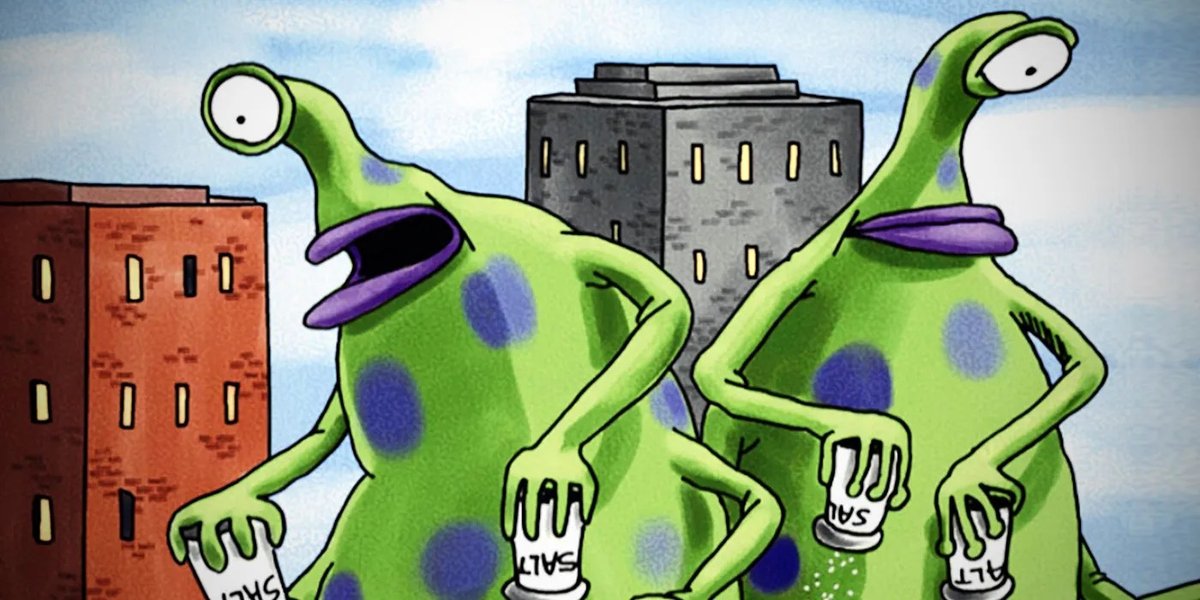
From distant galaxies to our very own backyard, cartoon aliens have been captivating audiences for generations, offering endless possibilities for adventure, comedy, and profound social commentary. They are not just green men with ray guns; they are complex characters, entire civilizations, and often, the very foundation of the animated worlds we cherish. Diving into the Major Franchises & Universes of Cartoon Aliens reveals a rich tapestry of creativity, exploring everything from intergalactic wars to the surprisingly mundane trials of extraterrestrial family life on Earth.
At a Glance: What Makes These Alien Universes So Compelling?
- Boundless Imagination: Animated worlds offer unlimited freedom to design unique alien species, cultures, and technologies.
- Narrative Versatility: Cartoon aliens can be heroes, villains, comic relief, or even philosophical guides, driving diverse storylines.
- Reflecting Humanity: By looking at ourselves through an alien lens, these franchises often provide poignant or hilarious commentary on human nature.
- Rich Lore: Many universes boast intricate backstories, alien societies, and interspecies dynamics that deepen their appeal.
- Enduring Legacy: Iconic alien characters and their home worlds have become cultural touchstones, resonating with viewers across age groups.
The Cosmic Canvas: Why Cartoon Aliens Captivate Us
There’s something inherently fascinating about the unknown, and no medium captures that wonder quite like animation. When creators are unbound by live-action constraints, they can dream up creatures and civilizations that defy expectation. These animated extraterrestrials often serve as perfect foils for human characters, providing a fresh perspective on our quirks and triumphs, or simply delivering pure, unadulterated escapism. Whether they’re benevolent protectors or tyrannical invaders, cartoon aliens hold a unique place in our storytelling tradition.
Universes Built on Extraterrestrial Foundations
Some of the most iconic animated franchises center almost entirely around their alien inhabitants and their intergalactic dealings. These are the worlds where alien life isn't just a plot device; it's the very fabric of existence, shaping narratives and defining characters.
The Interstellar Neighbors: Coexistence and Comedy
Think about the worlds where humans and aliens don't just coexist, but often bicker, collaborate, and try to understand each other.
- Futurama: Matt Groening's sci-fi sitcom plunges us into the 31st century, where humans navigate life alongside a dizzying array of alien species. Through the eyes of Philip J. Fry and the Planet Express crew, we encounter characters like the crustacean Dr. Zoidberg, a beloved alien whose struggles with Earth customs provide endless laughs. The show brilliantly uses its alien population to satirize modern society and explore the absurdities of human nature.
- Steven Universe: This beloved series from Rebecca Sugar introduces us to Steven, a half-alien, half-human boy learning to master the magical abilities of his alien heritage from the Crystal Gems. The universe is rich with detailed alien lore, focusing on the matriarchal Gem society, their Homeworld, and the complex history of their colonization efforts. It masterfully uses its alien narrative to explore profound themes of identity, family, and LGBTQ+ representation, making it a cornerstone of modern animation.
- Solar Opposites: From the creators of Rick and Morty, this series presents a family of aliens—Korvo, Terry, Jesse, and Yumyulack—who crash-land on Earth and begrudgingly make it their new home. Their attempts to understand and adapt to human life are a constant source of dark humor, often highlighting the most ridiculous aspects of our culture. The show also features the parallel narrative of "The Wall," a miniature human society built within their home, adding another layer of alien-human interaction.
- Lilo & Stitch Universe: This Hawaiian-set franchise revolves around Experiment 626, a destructive alien created by Dr. Jumba Jookiba, who finds a home and family with a young girl named Lilo. The series expands into a vibrant multiverse, full of other "cousin" experiments and intergalactic police, all with their own unique alien designs and backstories. It's a heartwarming tale about finding your place, no matter how alien you might be.
The Invaders & Protectors: Epic Sagas and Heroic Feats
Then there are the universes where alien presence dictates large-scale conflicts, heroic journeys, or satirical invasions.
- Invader Zim: A cult classic, this Nickelodeon series follows Zim, a diminutive but determined alien from the planet Irk, hell-bent on conquering Earth and enslaving humanity. His hilariously inept schemes and the deadpan disdain of his human nemesis, Dib, fuel this darkly comedic and visually distinctive universe. The enduring popularity led to comics and a Netflix film, further cementing the Irken Empire's place in cartoon alien history.
- Dragon Ball Z: This shonen anime powerhouse popularized Japanese animation in the West. It centers around Goku, an alien Saiyan, and his allies as they defend Earth and the universe from increasingly powerful foes, including intergalactic tyrant Frieza. The battles are legendary, but the Saiyan race's origins and their various transformations are central to the overarching narrative, making alien heritage a core component of its appeal.
- Ben 10 Multiverse: At its heart, Ben 10 is about a boy who can transform into various alien species thanks to the Omnitrix. This concept has allowed the franchise to build an incredibly vast multiverse, populated by countless unique alien life forms across different planets in the Milky Way. Each alien form Ben takes on opens up new storylines, powers, and challenges, making the alien element integral to every episode. The connections to other shows like Generator Rex in alternate dimensions further expand its cosmic reach.
- Robotech Universe (Macross, MOSPEADA): Adapted from multiple Japanese anime series, the Robotech universe is defined by generations of wars against alien races. From the ancient Protoculture who engineered humans and Zentradi, to the conflicts against the Invid, these alien entities are the catalysts for humanity's technological advancement and its fight for survival across the stars. Mecha combat against these alien threats is a hallmark of this iconic sci-fi saga.
- Gundam Multiverse: While often focused on human vs. human conflict (or human vs. human colony), the various Gundam timelines frequently involve factions that push the boundaries of "humanity," or outright alien forces. The sprawling intergalactic wars, fought with iconic mecha, explore themes of evolution, conflict, and coexistence on a cosmic scale, where the "other" is often a different species or a radically evolved form of humanity.
- Voltron Multiverse: This franchise, too, is built around a monumental struggle against alien oppressors. Five young pilots merge their robot lions to form Voltron, the Defender of the Universe, to combat the forces of King Zarkon. The very premise is a testament to the power of unity against overwhelming alien threats, deeply embedding extraterrestrial conflict into its narrative.
Beyond Invasion: Aliens as Storytellers and Social Commentators
Sometimes, cartoon aliens aren't just characters; they're narrative devices designed to make us think, laugh, or question our own existence.
- The Midnight Gospel: Created by Pendleton Ward (of Adventure Time fame) and Duncan Trussell, this Netflix series follows Clancy Gilroy, a spacecaster who travels through the multiverse interviewing various beings. Many of these interviewees are fantastical aliens, their conversations providing profound philosophical insights drawn from real-life podcast audio. It’s a unique approach, using alien encounters as a vehicle for deep human introspection.
- Strange Planet: Based on Nathan W. Pyle's popular webcomic, this Apple TV+ series features a race of blue aliens who observe and describe human behaviors using overly literal, technical language. It's a brilliant and charming way to highlight the absurdities of daily life, making us see our own world through a wonderfully alien, often hilarious, perspective. Co-created with Dan Harmon, it’s a masterclass in observational comedy.
- Jeff & Some Aliens: In this Comedy Central series, three aliens from outer space take residence with an average human named Jeff, studying him to evaluate the entire human race. Their alien perspective on everyday human struggles, from dating to career choices, offers a fresh and often cynical take on our society. It’s a clever premise that uses alien observers to comedic effect.
- Earthworm Jim: This animated adaptation of the popular video game follows a regular earthworm who gains superpowers after a robotic suit falls from space. Jim must battle a rogues' gallery of often-alien foes, including the nefarious Psy-Crow and Queen Slug-for-a-Butt, who are all trying to steal his suit. It’s a bizarre, action-packed universe where the alien element is key to its zany charm and intergalactic conflicts.
- Final Space: This animated sci-fi series takes us on an intergalactic adventure with astronaut Gary Goodspeed and his adorable, planet-destroying alien companion, Mooncake. Together, they embark on a quest to save the universe from the telekinetic evil alien, Lord Commander. It’s a thrilling, emotionally resonant ride that blends humor, action, and genuine pathos, with aliens at the core of both friendship and cosmic peril.
Where Aliens Blend In: Unexpected Encounters in Familiar Worlds
Not every alien-infused universe is exclusively about extraterrestrials. Sometimes, they pop up in established worlds, adding a layer of cosmic oddity or acting as crucial elements in broader narratives.
- The Springfield Universe (The Simpsons & Futurama): While Futurama is explicitly alien-centric, The Simpsons has its own long-running tradition of alien appearances, most notably with Kang and Kodos. These recurring characters from Rigel 7 offer satirical commentary on human culture and politics, reminding us that even in a seemingly ordinary town like Springfield, the universe is much larger and weirder than we often assume. The shared Matt Groening creative DNA links these worlds, at least thematically, if not always directly.
- South Park: The irreverent town of South Park, Colorado, is no stranger to the bizarre, and that includes occasional alien encounters. Often hidden in plain sight or serving as background gags, these extraterrestrial visitors add to the show's unpredictable humor and satirical bite, proving that anything can happen in this outlandish animated universe.
- DC Animated Universe (DCAU) & Marvel Animated Universes: Superhero universes, whether in film or animation, frequently rely on alien characters and threats. Iconic heroes like Superman (from Krypton) and Martian Manhunter are aliens themselves, while teams like the Justice League and the Avengers often face alien invasions or travel to alien worlds. Series like Justice League Unlimited, Young Justice, Ultimate Spider-Man, and Avengers Assemble are packed with diverse alien species, reflecting the cosmic scale of their comic book origins. Whether it's the Skrulls, the Kree, Darkseid, or Brainiac, extraterrestrial forces are often the ultimate challenge. If you're looking to explore Everything about cartoon aliens, these superhero worlds offer a grand entry point.
- Digimon: While often framed as digital monsters, the Digimon themselves are essentially alien life forms inhabiting a parallel Digital World. Their interactions with humans from the real world, and the constant threat of malicious Digimon, create an elaborate universe where the concept of "otherworldy" is central to the adventure and evolution of both species.
Decoding the Appeal: Why These Alien Universes Endure
What is it about these specific franchises and their cartoon aliens that allows them to resonate so deeply with audiences?
- Relatability in the Alien: Paradoxically, many of the best alien stories use their extraterrestrial characters to highlight universal human experiences. Whether it's the struggle to fit in (Lilo & Stitch), the desire for acceptance (Steven Universe), or the simple absurdity of daily life (Strange Planet), aliens often serve as powerful metaphors for the human condition.
- Infinite Imaginative Freedom: Animation provides a canvas without limits. Creators can design aliens with any shape, size, color, or power, crafting entire ecosystems and societies that defy the laws of our own reality. This freedom allows for boundless creativity, keeping audiences continually surprised and engaged.
- Narrative Versatility: Cartoon aliens can be comedic gold, tragic figures, terrifying villains, or wise mentors. This versatility allows franchises to pivot between genres—from sci-fi sitcoms to epic space operas—all while retaining their core alien identity.
- Building Rich Lore: The most successful alien universes often boast incredibly detailed backstories, unique languages, complex social structures, and intricate histories. This deep lore gives fans endless material to explore, discuss, and build communities around.
- A Sense of Wonder: At their core, cartoon aliens tap into our innate human curiosity about what lies beyond our planet. They fuel our dreams of exploration, contact, and the myriad possibilities of life in the cosmos.
Your Guide to Exploring the Cartoon Cosmos
So, how do you navigate this vast, captivating expanse of cartoon alien universes?
If you're new to the genre, consider starting with the classics. Futurama offers a fantastic blend of humor and sci-fi world-building, while Steven Universe provides a heartfelt, lore-rich adventure. For those who love dark humor and philosophical musings, The Midnight Gospel and Rick and Morty are must-sees. If you prefer high-stakes action and epic battles, Dragon Ball Z, Ben 10, or Robotech will surely satisfy.
Revisit old favorites with a fresh perspective. You might uncover new layers of meaning in Invader Zim's satire or appreciate the subtle social commentary in Strange Planet. Pay attention to the details: how do these alien societies function? What do their interactions with humans (or other aliens) reveal about our own world?
Ultimately, the appeal of cartoon aliens lies in their ability to expand our horizons, make us laugh, and sometimes, even make us shed a tear. They remind us that the universe is a weird, wonderful, and endlessly imaginative place, and that the greatest stories often come from encountering the utterly foreign. Go forth and explore, the animated cosmos awaits!